How Much Does a Commercial Sign Cost
in Columbus, OH?
Commercial signs are something most of us pass by every day in Columbus, whether we're driving through a shopping center, walking into an office building, or visiting a local storefront. Their role is straightforward. They show people where a business is located and confirm they're in the right place. When someone approaches your building for the first time, the sign outside is often the detail they look for before parking or heading to the entrance.
As properties are renovated and new businesses open, signage remains a practical need. We're seeing Columbus continue to grow and change, with newer developments appearing alongside long-standing neighborhoods in Dublin, Worthington, Hilliard, Grove City, and other areas. At SignAffects, we've worked with local businesses throughout the Central Ohio area since 2006, designing, fabricating, installing, and maintaining commercial signage, so we know a thing or two about custom signs.
In this guide, we'll walk you through the cost of commercial signs in Columbus, OH, and the factors that influence these costs, including sign types, size, illumination, materials, installation conditions, and permitting requirements. We'll also look at long-term maintenance and what to consider when planning for durability.
As you read, consider how customers arrive at your building and where their eyes naturally tend to look first. Those observations help guide nearly every decision in the signage process.
Table Of Contents:
- Can I Get a Sign Installed Quickly?
- How Long Will My Sign Last?
- Can Signs Be Repaired or Updated Instead of Replaced?
- Do I Need Insurance for My Sign?
- Do I Need a Permit for My Sign?
- What if My Building Has Limited Installation Access?
- Can I Use My Existing Logo Without Redesigning It?
- Can Signs Be Recycled?
12. Attending to Your Signage Needs
2. Types of Commercial Business Signs
Before we dive into costs, it's a good idea to learn more about the types of commercial custom signs, especially since different types of signage support visibility in different ways.
The right option depends on where your building is located, how customers approach it, and how you want your business to appear from the street or within the space.
Have a look below to learn more, as this knowledge could help you learn what signs attract customers and what you might want to invest in when you're ready to commit to a well-designed sign.
Exterior Signage
- Monument Signs: These are placed near the entrance at eye level to guide visitors before they turn or park.
- Pole & Pylon Signs: Pylon and pole signs are tall signs designed to be seen from longer distances or faster-moving traffic corridors.
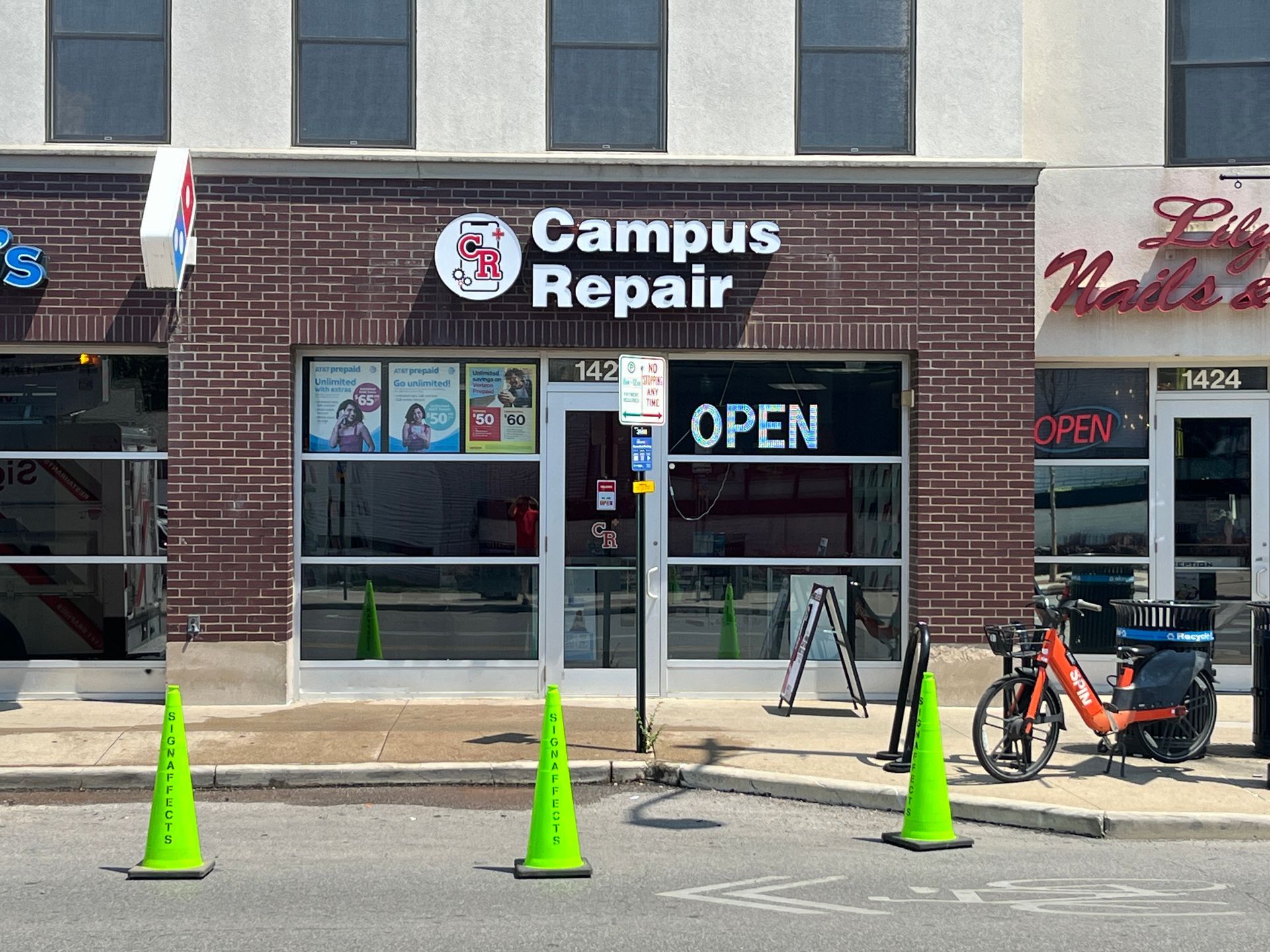
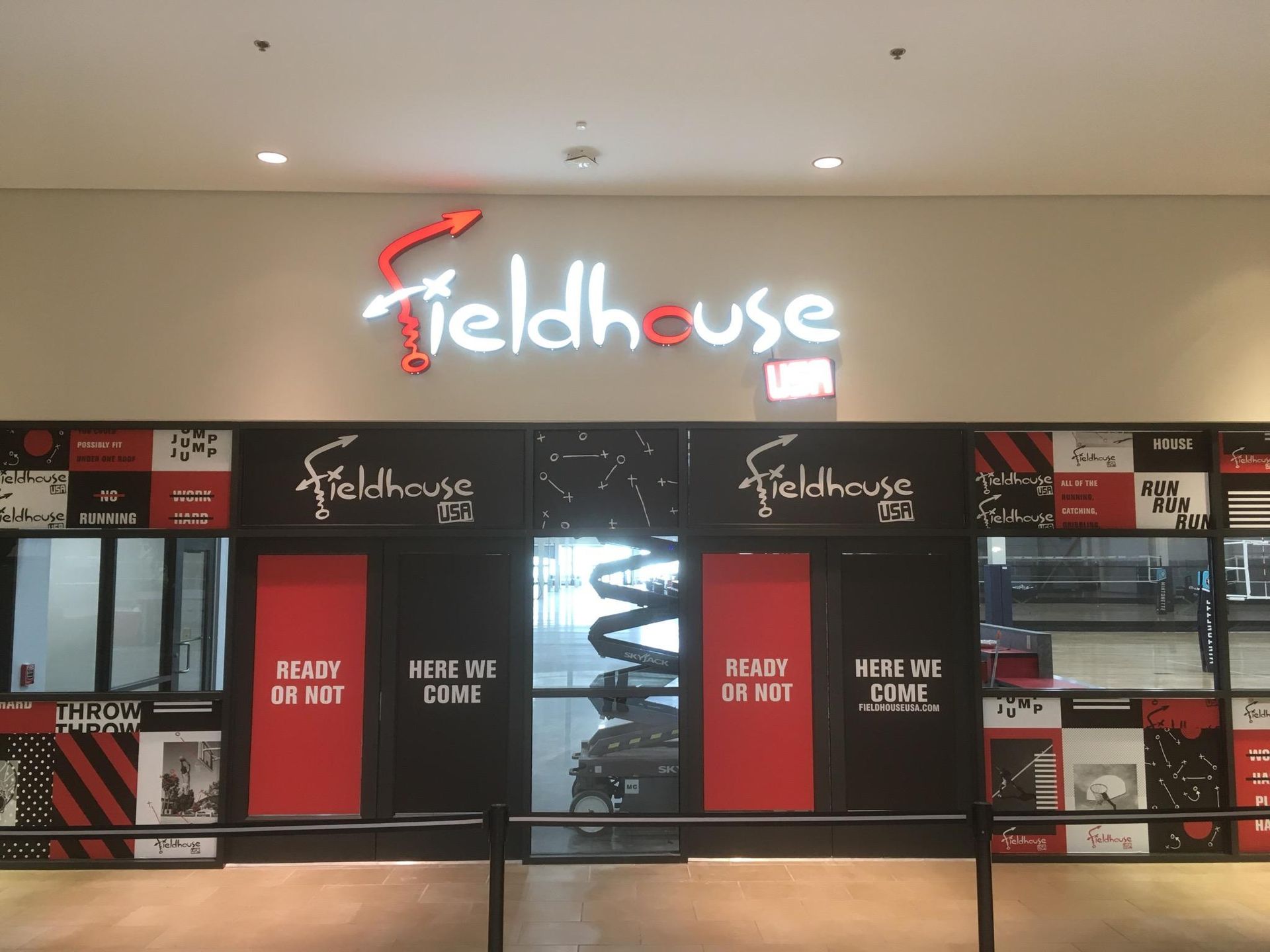
- Channel Letter Storefront Signs: These are individual letters mounted to the building façade. They can be illuminated for evening visibility.
Interior Signage
- Lobby Interior Signs: These custom signs display your business name in reception or entry spaces.
- Directional / Wayfinding Signs: Wayfinding and directional signs help visitors navigate hallways, shared floors, and multi-suite buildings.
- ADA-Compliant Room Signs: These ensure rooms are clearly labeled and accessible in accordance with federal standards and local regulations related to the American Disabilities Act.
Digital Signs
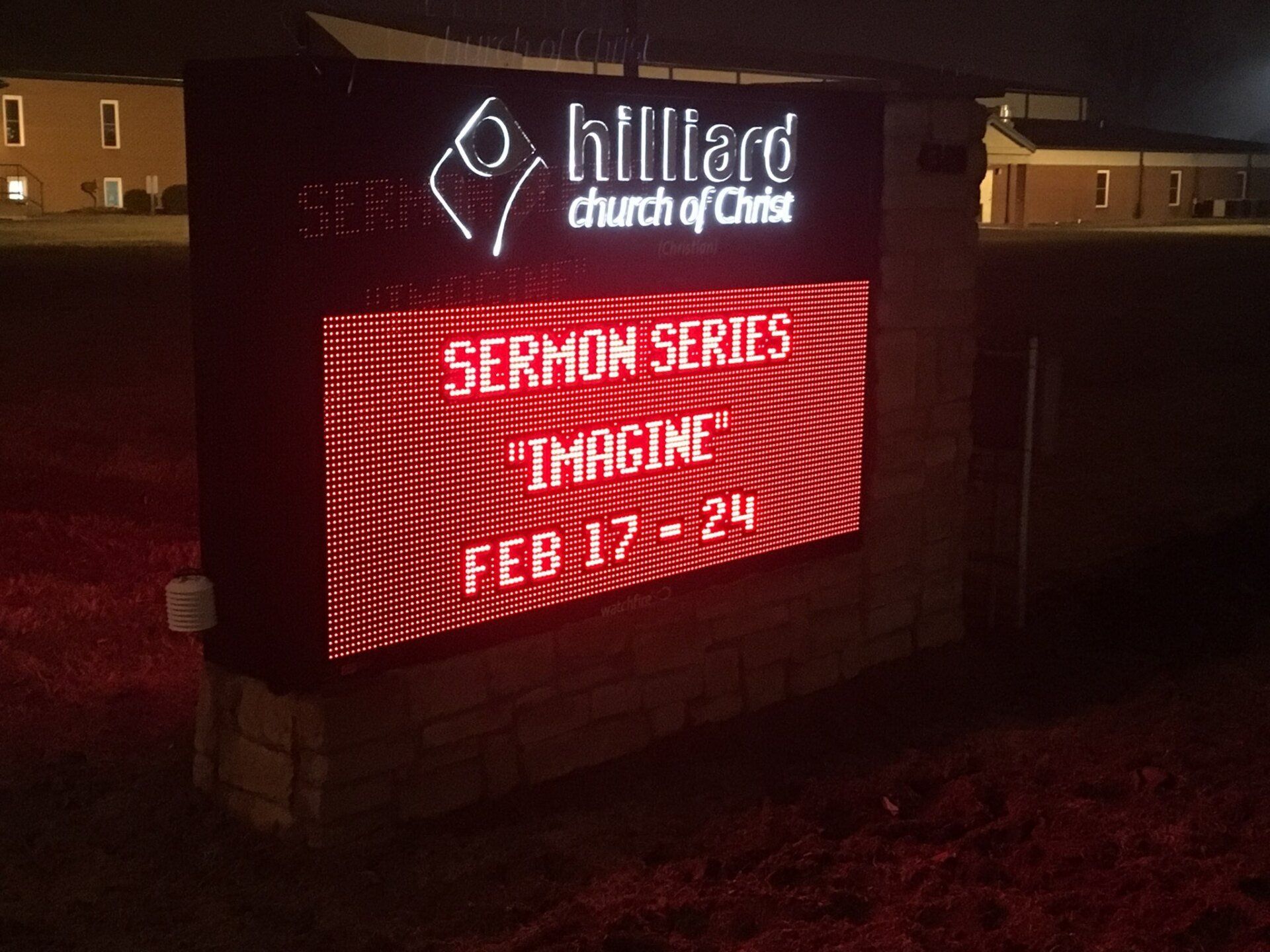
These signs are great for brand visibility. They allow changing messages, event schedules, announcements, and service updates and are often used by schools, community organizations, and service providers.
Vehicle Wraps
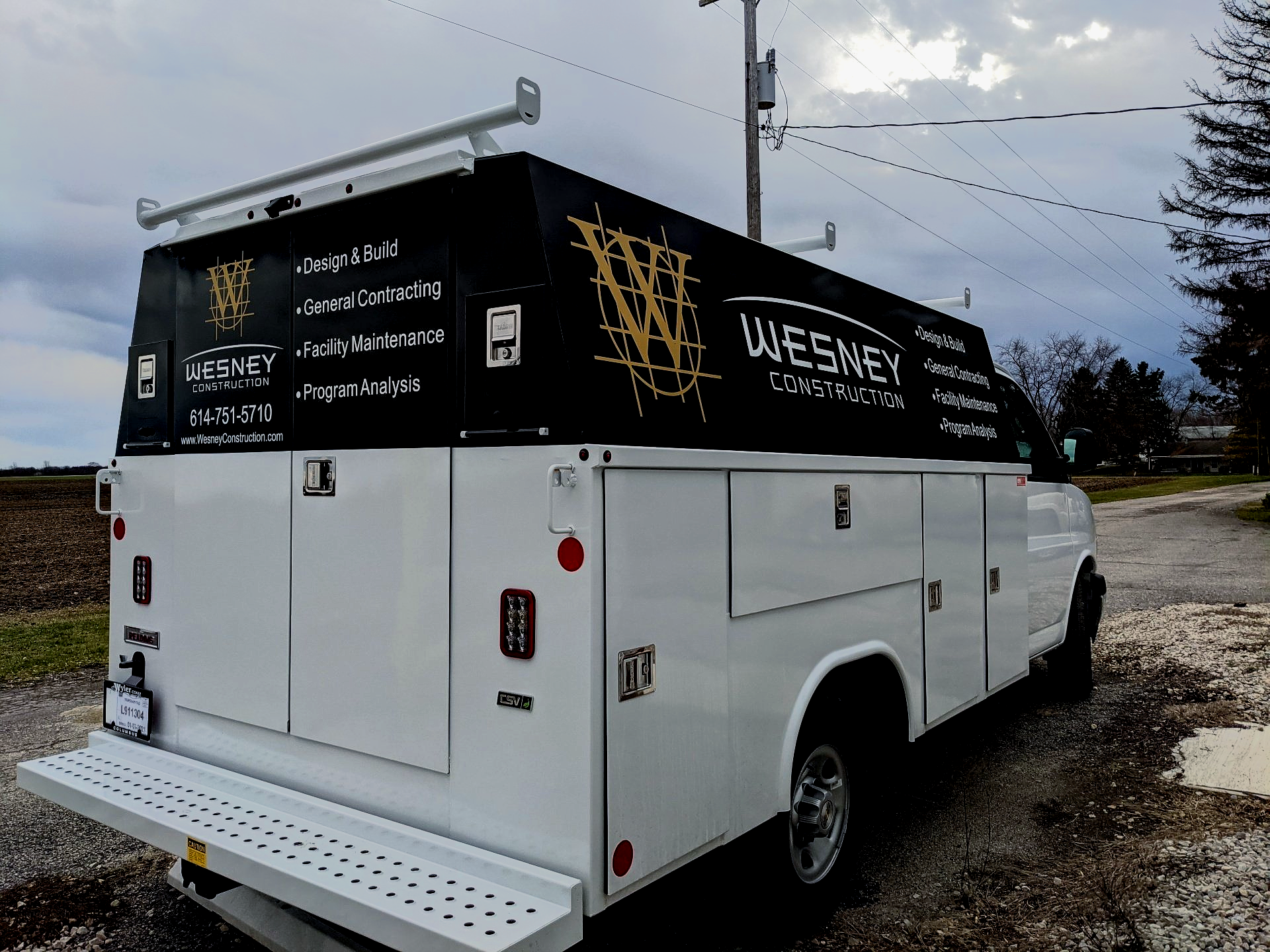
With vehicle wraps, you can turn company cars, trucks, or vans into mobile signage that travels throughout Columbus neighborhoods and daily service routes.
Temporary vs. Permanent Signs
Temporary signs are designed for short-term use or specific occasions, such as announcing a grand opening, promoting a limited-time event, or providing directions during renovations. They cost less because the materials are lighter and the installation is simpler.
Permanent signs are a longer commitment. These are built to stay in place through years of weather, daily sun, and freeze-thaw cycles in the Central Ohio climate. The cost is higher upfront because permanent signs rely on durable materials, stable mounting points, and meticulous planning to ensure optimal visibility.
A practical way to decide between the two is to consider how long the message needs to remain the same. If the information is likely to change soon, temporary signage is often a sensible option. If the sign is an integral part of your business identity, permanent signage offers long-term value.
3. Key Factors Affecting Sign Cost
Several elements influence the final cost of a commercial sign in Columbus. Considering these factors early can help you plan a realistic budget and choose a sign that suits your building and location:
Size and Dimensions
Larger signs require more material and stronger support; the right size is usually determined by how far away the sign needs to be read. Because of this, bigger signs often involve more labor and planning, and as a result, overall fabrication and installation costs tend to increase as size increases.
Materials Used
Materials influence appearance and durability, with options such as metal, acrylic, vinyl, high-density plastic, and treated wood, each aging differently over time. Additionally, certain finishes and coatings can offer enhanced weather protection. However, higher durability or specialty materials generally come with a higher upfront cost.
Design and Lettering Detail
Simple layouts are quicker to produce, while dimensional lettering, shaped panels, layered elements, and custom color matching require added craftsmanship. As details increase, the sign becomes more visually distinctive and often more durable. However, these enhancements usually increase fabrication time and cost.
Illumination and Lighting
Lighting improves visibility, especially in the evening or in areas with minimal surrounding light. Some signs include internal LED lighting, while others rely on external fixtures. When lighting is built into the sign, electrical components and installation steps typically add to the total cost.
Installation Location and Access
Storefront signs that can be reached from the ground are simpler to install. In contrast, signs mounted higher or positioned near traffic may require lifts, permits, or extra safety coordination. Therefore, more complex installation conditions generally increase labor costs.
Quantity, Repeats, and Consistency Across Multiple Signs
Ordering multiple signs at the same time helps maintain a consistent look across a property or business that has multiple locations. This can be especially helpful for plazas, campuses, or multi-suite buildings. When signs are produced together, the cost per sign can often be lower than ordering them individually. In addition, repeat orders of the same style are often quicker and more cost-efficient to produce than one-off requests.
4. Cost Breakdown by Sign Type
The cost of a commercial sign in Columbus depends on many different factors, as you now know. However, the ranges below give you a realistic sense of what different businesses spend, and why one version of a sign may be chosen over another.
So have a look below to learn the cost breakdown alongside pricing examples so that you can find the perfect sign for your business.
Monument Signs
Typical Range: $7,000 to $65,000+
Monument signs are usually selected when the entrance to a property isn't immediately obvious from the street. They give visitors a clear point of reference before they choose where to go. In Columbus, these are common at medical offices, business parks, schools, and churches where buildings sit farther back from the road.
For these signs, it's important to know that costs increase when the sign needs a structural base, such as brick or stone that matches the exterior of the building, or when the property grade requires leveling to make the sign legible from the approach.
Storefront and Channel Letter Signs
Typical Range: $2,500 to $20,000+
Storefront and channel letter signs identify the business directly on the front of the building. They're most helpful when people are already close to your location and are looking for confirmation that they've found the right spot.
In retail corridors, restaurants, and healthcare offices where evening hours or short winter daylight are normal, many businesses choose illuminated lettering, This allows the name to remain clear late in the day.
Costs vary when letter height or stroke thickness needs to increase for longer viewing distances, or when the building surface requires a raceway or reinforcement before installation.
Interior Lobby and Wayfinding Signs
Typical Range: $75 to $5,000+
Interior signage, like lobby and wayfinding signage, helps visitors feel oriented once they step inside. Lobby signs vary based on whether the design uses layered acrylic, metal, or standoffs for depth. Wayfinding signs are often purchased in groups to label rooms, hallways, suites, or shared facilities.
Columbus offices and clinics usually order these in sets to maintain consistency across floors and minimize per-sign cost. This also makes future updates easier if rooms or departments change.
Illuminated Cabinet Signs
Typical Range: $4,000 to $15,000+
Cabinet signs are chosen when a business needs visibility from a distance and wants to control lighting within an enclosed housing. This is common along multi-lane roads where drivers look ahead rather than sideways at building façades.
Cost shift based on the size of the cabinet and how the lighting is arranged inside. If the sign is viewed from both directions, a double-sided cabinet may be needed, which increases materials, costs and installation time.
Neon and LED-Neon Signs
Typical Ranges: Glass neon $1,500 to $10,000+; LED-neon $300 to $5,000+
Neon-style signage is usually chosen for atmosphere as well as identification. Restaurants, studios, cafés, and retail stores often use this indoors or near storefront windows.
Glass neon offers a classic look, while LED neon provides a similar appearance with lighter maintenance. Costs vary based on the length of the design, the number of bends needed, and whether the sign needs protective housing for public spaces.
Digital Message Displays
Typical Range: $20,000 to $75,000+
Digital signage is used when the message needs to change throughout the year. Schools, churches, fitness centers, and community organizations in Columbus often select digital displays to communicate schedules, events, and seasonal information, as you already know.
You also need to know that costs increase with screen size, resolution, and brightness level needed for daylight conditions. Costs aside, panning is also crucial and should include confirming power access and ensuring the display can be read from the natural approach angle of vehicles or pedestrians.
Real Estate and Post-and-Panel Signs
Typical Ranges: Yard signs $95 to $180; Post-and-panel $550 to $1,500+
These signs help direct attention to listings, leasing information, and active developments. If the sign is moved or reused frequently, durable panels and reusable hardware help keep long-term costs manageable.
However, note that pricing shifts when the panel needs more surface area for branding or when the sign must remain readable from farther distances, such as on larger parcels or corner lots.
Vehicle Wraps and Fleet Graphics
Typical Ranges: Partial wraps $750 to $2,200; Full wraps $3,500 to $7,500+
You already know that vehicle wraps help your business be noticed in neighborhoods and across daily routes. However, what you might not know is that costs can vary depending on whether you choose full or partial wraps. For example, a full wrap covers the whole car and is more expensive than a partial wrap.
Also, a full wrap is often chosen when the vehicle is on the road consistently, while partial wraps work well when only key information needs to stand out. In our experience, service and maintenance companies working across Westerville, Hilliard, and Grove City frequently choose full wraps because of the amount of time their vehicles spend on the road.
Customized vs. Standard Signs: How Much More for Custom?
Standard signage options follow predetermined shapes, letter sizes, mounting methods, and finishes. Because the fabrication process is already established, these signs can be produced more quickly and at a lower cost. For businesses that simply need to identify their location or confirm they are in the right place, a standard layout often works well and helps keep the project within a moderate budget.
Custom signage is designed specifically for your building and brand. This can include unique letter forms, layered or dimensional materials, custom color matching, or shaped panels that fit the architecture of the space. The added planning and craftsmanship required typically make custom signs about 15% to 40% more expensive than standard versions of similar size. Many businesses choose custom signage when long-term presence, brand consistency, and local recognition are priorities.
5. Design and Permitting Fees
Most exterior commercial signs in Columbus require city review and approval before installation. Understanding these steps early helps support a smoother project timeline and prevent unexpected adjustments. The points below outline the main elements involved in design and permitting, as well as costs.
Design Planning and Layout Development
Design is the starting point in creating business signage. This phase determines how the sign will look, how it will be viewed from nearby streets or walkways, and how it will represent the business. Simple text-based layouts generally require less preparation, while layered materials, shaped panels, and dimensional lettering involve additional planning time.
Because this stage sets the foundation for materials and fabrication methods, it is also where initial cost expectations are established and adjusted based on what the design requires.
Cost for Professional Design Services
Design services are typically billed based on the complexity of the layout and the number of revisions required. In the Columbus area, professional design fees commonly range from $95 to $480, depending on the level of customization and branding detail.
Permitting Fees
Permit applications typically include drawings, dimensions, mounting details, and lighting notes. Most exterior signs require a permit, and the fees often range from $125 to $ 600 or more, depending on the sign's type, size and location. In addition to permit fees paid to the city, a sign company will typically charge a permit acquisition fee as well. This fee covers the fees that sign company has to be registered to work in that city as well as the insurance and bond that the city requires. Lastly, this fee covers the time for detailed drawings that a city may require. These fees typically run from $250 to $750 per sign.
Local Requirements in Columbus, Ohio
Outdoor signage is subject to zoning-based guidelines, such as type of sign, number of signs, size limits, placement rules, and lighting considerations. These requirements vary by neighborhood and property type. Working with a sign company familiar with these regulations, such as SignAffects, can help reduce the chance of revisions or permitting delays, which can add to your costs.
Common Permit Challenges and Solutions
In the Columbus area, the most frequent permitting challenges involve sign size limits in shared retail centers, historic district restrictions in neighborhoods such as German Village, and multi-tenant building façade guidelines. Working with a sign company familiar with local zoning boards can help prevent resubmissions or redesigns. SignAffects regularly coordinates drawings, mounting details, and visibility studies to ensure permits are approved smoothly the first time. Within the city of Columbus, OH, regulations require that only a Licensed Sign Erector (like SignAffects Limited) can apply for and obtain a sign permit. To become a Sign Erector in Columbus, one must demonstrate a minimum of 5 years' experience in manufacturing and installing signs.
6. Installation Costs
Installation costs vary depending on height, location, building surface, and access conditions. In the central Ohio area, installation typically ranges from $450 to $10,000+ per sign. The costs, dependson the type of equipment required and how straightforward the mounting location is.
Because installation involves both structural support and safety, certain conditions can increase or decrease the final cost:
- Professional Installation Services: Commercial signs are typically installed by trained crews using proper mounting hardware and sealing methods. Labor needs and required equipment (such as ladders vs. bucket trucks vs. cranes) directly affect cost. Higher complexity equals higher labor time and higher fees.
- Site Location and Accessibility: Ground-level installations on walls are generally simpler and less expensive. Signs mounted high on walls, on poles, or in areas near busy traffic may require lifts or temporary lane adjustments. Limited access or elevation increases equipment and labor costs.
- Structural and Surface Considerations: Different building surfaces require different mounting methods. For brick, stucco, or stone, reinforcement or specialty anchors may be needed to ensure the sign is secure. More complex mounting conditions often require additional hardware, increased installation steps, and higher costs.
- Weather and Scheduling Factors: Installation may need to be timed around rain, snow, or freezing conditions, which can impact crew availability, safety, and the cost. If installation must occur after hours or during limited-access times, scheduling adjustments may be required, and costs can vary significantly.
- Ground Signs (Monuments and Pole): These types of installs typically require a whold different set of equipment such as boring to create a sign footer, cement mixer to mix, deliver, and place the correct mix needed. Temporary ground mats may be needed to protect the landscape. Groundwork can be dramatically affected by weather conditions.
7. Ongoing Costs and Maintenance
Once a commercial sign is installed, it continues to serve the business every day; however, it's essential to plan upkeep, as this can help the sign remain clear, readable, and structurally sound over time.
We've found that maintenance needs vary. Understanding these considerations can help local businesses in the Columbus, Ohio area plan budgets that support long-term visibility while keeping costs down.
Cleaning and Routine Care
Most business signs benefit from occasional cleaning. Dust, pollen, and general outdoor buildup can affect sign clarity, especially exterior signage near busy roads or high-traffic areas.
Routine cleaning helps preserve the visual appearance and makes the sign easier to read from a distance. Indoor signs generally require less cleaning; however, lobby and wall-mounted signs may need to be wiped occasionally to maintain a clean and welcoming appearance.
Repairs and Service Work
Over time, commercial signs may need repairs. For illuminated signs, this can involve replacing LED modules, replacing transformers, adjusting power connections, or checking the protective housing around the lighting.
For non-illuminated signs, service work may include retightening mounting hardware, cleaning surface coatings, or addressing minor wear from seasonal weather changes in the central Ohio area. When repairs are addressed early, the sign remains reliable and continues to serve everyday signage needs.
Service work or repairs are usually billed at an hourly rate. In Columbus, service calls commonly range from $120 to $250 per hour, plus parts if lighting components or mounting hardware need replacement.
Lifespan and Replacement Expectations
All signs experience natural aging over time, and small updates help them maintain a consistent and professional appearance. This may include refreshing finishes, tightening hardware, or updating surface components as the property or branding evolves. Planning these periodic touchpoints in advance makes it easier to include maintenance in your annual budget, rather than treating updates as unexpected costs.
Updating as the Business Grows
Some businesses update their signs when they expand services, rebrand, or refresh their storefront. Vehicle wraps, window graphics, and panel replacements are common updates that support new messaging. Planning for future adjustments can help ensure that changes are stress-free and align with the overall business presentation, continuing to give customers a good first impression.
8. Value vs. Cost: Getting ROI From Your Signage
A commercial sign supports your business every day. When selected and placed with intention, it plays a role in how people recognize your location, remember your name, and decide where to go, which in turn impacts your return on investment (ROI).
Because of this regular interaction, the value of signage often extends far beyond the initial installation cost. Let's have a look at ROI examples, strategies, and why it matters:
Building Brand Recognition Over Time
When people frequently pass a sign(s), they naturally become familiar with the name and location of the business. This recognition supports return visits and can lead to word-of-mouth referrals, so consistent signage helps reinforce identity without requiring ongoing advertising.
Example:
A boutique in the Short North that upgraded from a flat panel sign to illuminated channel letters experienced an increase in walk-in customers during evening foot traffic, as the sign became more visible later in the day.
Balancing Initial Cost with Long-Term Use
The value of signage increases when it is designed to serve the business for several years to come.
Material durability, installation conditions, and lighting choices all influence how long the sign will remain effective. Planning with a sign company familiar with Columbus weather, traffic patterns, and viewing distances can help support lasting results.
Example:
A dental office in Hilliard chose aluminum and acrylic instead of painted wood, avoiding frequent refinishing costs and extending the sign's lifespan by several years.
Updating Signage as the Business Evolves
Some signs are designed so that lettering, panels, or graphic elements can be updated without requiring the replacement of the entire structure. This allows businesses to refresh branding, adjust messaging, or expand services while maintaining continuity. Storefront signs, wall panels, and vehicle wraps are often chosen with this adaptability in mind.
Example:
A fitness center in Grove City replaced only the removable panel on an existing monument sign when it rebranded, rather than replacing the entire sign structure, which significantly lowered update costs.
9. Local Market: Columbus, Ohio Trends
The commercial sign market in Columbus, Ohio, caters to a diverse range of business needs, from small storefront shops and professional offices to larger service centers and community organizations. Due to this diversity, signage must support various visibility goals, building layouts, and branding approaches across the central Ohio region.
How Columbus Pricing Compares to National Averages
Commercial sign pricing in Columbus generally aligns with national averages. Materials such as aluminum, acrylic, vinyl, and LED lighting components are priced similarly across regions. What influences pricing more in Columbus are installation conditions and building environments.
Older brick buildings, mixed-use developments, and multi-tenant centers often require additional mounting steps or structural adjustments to ensure clear visibility and secure installation, and this impacts costs. In addition, many mixed use developements like Polaris and Easton may only allow exterior building work during off business hours leading to higher labor costs.
As a result, pricing is shaped less by regional markup and more by how the sign needs to function on the specific building with its placement, viewing distance, and orientation. With that said, in Columbus, OH, many businesses prioritize durability and readability, regardless of cost, to ensure signage remains effective in varied seasonal lighting and weather conditions.
Why Local Market Experience Matters
Since 2006, SignAffects has worked directly with property managers, developers, and city reviewers in Columbus. This familiarity with local permitting requirements, as well as viewing angles along major traffic routes, pedestrian sightlines, and material performance in Ohio's weather conditions, enables us to recommend signage that remains clear, durable, and cost-effective.
Our approach supports long-term practicality and reliable everyday visibility, which is crucial for running a successful business or showcasing special events.
Tips for Choosing a Sign Provider in Columbus
When comparing sign proposals in the Columbus Market, it's helpful to look beyond the initial price. We urge you to consider the following when choosing a sign provider:
- A clear permitting plan included the following: Confirm who handles permit submissions, expected timelines, and revisions.
- Examples of similar installations: These are especially relevant as they can give you an idea for your building type, such as storefronts, pylons, multi-tenant buildings, or historic districts.
- Material specifications listed in writing: This ensures durability expectations are transparent and reduces maintenance surprises later.
These points help distinguish between a lower initial bid and signage that supports business visibility effectively over time.
10. Cost-Saving Moves and Mistakes to Avoid
A few planning steps can help you manage cost without reducing the effectiveness of your signage.
Cost-Saving Moves
- Plan early: If signage is considered during building updates or renovation, mounting points and electrical access can be prepared without extra work later.
- Match materials to your environment: Exterior signs along busy roadways benefit from durable finishes, while interior lobby signs can use lighter materials.
- Confirm measurements before production: Accurate dimensions help avoid resizing or re-fabrication.
- Work with a local sign company, like SignAffects: Familiarity with Columbus permitting and installation conditions helps reduce delays.
Common Mistakes That Raise Costs
- Finalizing signage after construction decisions are already made.
- Choosing overly complex designs when simpler layouts are easier to read.
- Not reviewing installation access needs (clearance, parking, lifts) ahead of time.
- Skipping early permitting checks can lead to design revisions.
Quick Checklist for a Smooth Sign Purchase
- Determine viewing distance and ideal letter height.
- Confirm mounting surface and structural support.
- Decide whether lighting is needed during evening or low-light conditions.
- Check Columbus permitting requirements before design.
- Verify electrical access if the sign will be illuminated.
- Ensure permits have been issued prior to fabrication.
- Discuss cleaning and maintenance expectations.
- Ask how future updates or rebranding can be handled.
11. Frequently Asked Questions
These are questions that frequently arise when local businesses start planning their commercial signs. Having insights into these topics can help you prepare for the process and understand what to expect.
12. Attending to Your Signage Needs
Commercial signage supports a business every day, and the decisions made during planning can shape how your location is recognized and understood. By taking the time to examine the various styles of business signs, the materials available, and the installation requirements of your property, you can select an option that suits your building and the way customers approach it.
Each factor, from design to permitting, installation and long-term maintenance, plays a role in determining the cost of commercial signs in Columbus, OH, and understanding these elements helps create a clearer path forward.
If you are planning signage for a new location, updating an existing sign, or preparing for changes as your business grows, it can be helpful to discuss the details with a team familiar with the central Ohio area. A local sign company, like SignAffects, can review your space, discuss how people approach your building, confirm mounting conditions, any installation concerns, and walk you through material and lighting choices that match your signage needs and budget.